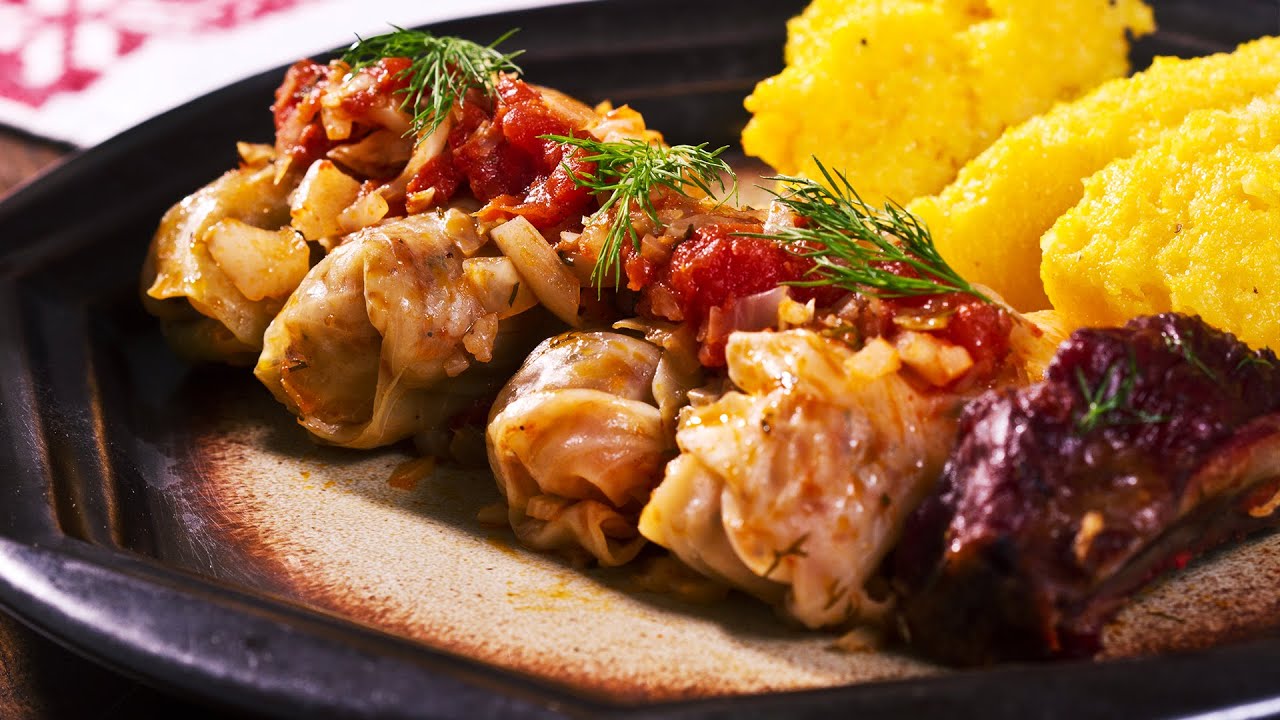
Discover Romanian Sarmale: Sauerkraut, Pork & Tradition
There are dishes that transcend mere sustenance, becoming symbols of culture, heritage, and warmth. In Romania, that dish is undeniably sarmale romanian cabbage rolls. More than just a meal, sarmale embodies tradition, comfort, and the profound joy of shared culinary experiences. Imagine tender rolls of pickled cabbage, lovingly wrapped around a rich, savory filling of ground pork, smoked meats, and rice, then slow-cooked to perfection in a tangy tomato sauce. This iconic dish is a staple at celebrations, a cornerstone of Sunday family meals, and a comforting presence throughout the long winter months.
The very name "sarmale" offers a clue to its essence, borrowed from the Turkish word "sarmak," meaning "to wrap." And that's precisely what these culinary treasures are: a harmonious blend of ingredients meticulously wrapped and then transformed through a patient cooking process. While many cultures boast their own versions of stuffed vegetables, Romanian sarmale holds a special place, distinguished by its unique character and deep-rooted history.
The Anatomy of Authentic Sarmale: What Makes Them Unique?
What truly sets sarmale romanian cabbage rolls apart from their global cousins? The answer lies in a specific combination of ingredients and a meticulous preparation method that has been perfected over generations. At its heart, authentic Romanian sarmale relies on four crucial elements:
- Sauerkraut (Sour Cabbage): Unlike many other cabbage roll recipes that use fresh cabbage, Romanian sarmale almost universally features sauerkraut. The fermentation process of the cabbage lends a distinctive tangy flavor and a tender, yet resilient texture that withstands long cooking times, infusing the entire dish with a pleasant sourness.
- A Hearty Pork Filling: The filling is a rich blend of ground pork, often combined with ground beef for added depth. Crucially, it almost always includes smoked pork – bacon, ribs, or hocks – tucked into the pot to impart an incredible smoky aroma and flavor that permeates every roll. This smoked element is a signature of Romanian sarmale.
- Rice and Spices: Uncooked rice is mixed with the ground meat, absorbing the cooking liquids and swelling to create a tender, cohesive filling. A medley of aromatic spices and herbs, such as dried thyme, bay leaves, dill, and black pepper, elevates the flavor profile, differing slightly from region to region and family to family.
- Slow Simmering in a Tangy Sauce: Once wrapped, the sarmale are tightly packed into a large pot and slowly simmered for several hours in a tomato-based sauce, often enriched with sauerkraut juice and sometimes a splash of white wine. This extended cooking time is essential, allowing the flavors to meld, the cabbage to become incredibly tender, and the meat filling to cook through completely.
While these core components remain consistent, there's a charming diversity within Romania itself. In the northwestern regions, reflecting influences from countries like Germany or Hungary, sarmale tend to be larger, sometimes the size of a small potato. Travel southeast, however, and you'll find smaller, more delicate rolls, similar in size to a sausage, reminiscent of Turkish or Egyptian styles. Despite these regional nuances, the reliance on sauerkraut, pork, and the characteristic slow-cooked tenderness is a constant thread binding all Romanian sarmale.
A Culinary Journey: The Global Tapestry of Cabbage Rolls
The story of sarmale romanian cabbage rolls is not just a tale of one country, but a fascinating chapter in a global culinary narrative. Cabbage rolls, and indeed many other forms of stuffed vegetables, are believed to have originated in the vast culinary landscape of the Ottoman Empire. Food historians, like Priscilla Mary Işın in her insightful book Bountiful Empire: A History of Ottoman Cuisine, point to evidence from as early as the 1500s, with recipes for "dulma-ye kalam" (stuffed cabbage) found in Persian cookbooks, noted as being cooked by "the people of Rum" (the Ottomans).
From these historical roots, the concept of wrapping a savory filling in a pliable leaf spread like wildfire across continents. Today, cabbage rolls are enjoyed in over 30 countries, with a particularly strong presence in the Middle East, the Balkans, and throughout Central and Eastern Europe. Their appeal is truly universal; it's a natural culinary evolution for hungry humans to recognize the potential of a large, flexible leaf to hold a delicious filling of meat and rice. This shared human experience, the simple act of wrapping sustenance, is a beautiful symbol of our commonalities across diverse cultures.
While the basic concept unites us, the specific ingredients and preparation methods are what create distinct national and regional identities. This is where The Global Journey and Rich History of Sarmale truly comes into focus. What distinguishes the Romanian version is its staunch commitment to pickled cabbage and the prominent use of pork, especially smoked pork, which imparts that characteristic deep, savory flavor. These elements, combined with the slow-cooking method, give Romanian sarmale its inimitable taste and texture, setting it apart from, for example, a Hungarian version using fresh cabbage and paprika, or a Swedish variant with lingonberry jam.
Serving Sarmale: Perfect Pairings and Occasions
The experience of eating sarmale romanian cabbage rolls extends far beyond the plate. It's often a communal event, served with beloved accompaniments that elevate the flavors and traditions. The most classic pairings include:
- Smântână (Sour Cream): A generous dollop of rich, tangy Romanian sour cream is almost mandatory. Its cool creaminess provides a delightful contrast to the warm, savory sarmale.
- Mămăliguță (Polenta): Creamy polenta, made from fine cornmeal, is another quintessential accompaniment. Its mild flavor and soft texture make it perfect for soaking up the delicious tomato-based sauce.
- Crusty Bread: A simple, crusty loaf of bread is ideal for mopping up every last drop of the flavorful sauce.
- Hot Peppers: For those who enjoy a bit of heat, a side of fresh or pickled hot peppers can add a delightful kick.
Sarmale is more than just a meal; it's a centerpiece of Romanian life and celebration. You'll find it gracing tables at virtually every major holiday, from the festive Christmas feast to the joyous Easter spread. It's a must-have at weddings, baptisms, and large family gatherings. But beyond these grand occasions, sarmale also holds a special place as a comforting Sunday dinner or a hearty meal to ward off the chill of winter. Its rich, satisfying nature makes it the ultimate comfort food, a dish that truly nourishes both body and soul.
Bringing Sarmale to Your Table: Tips for Success
While the process of making sarmale romanian cabbage rolls might seem intricate, it's a deeply rewarding culinary endeavor. Here are some practical tips to help you achieve perfect results:
- Source Quality Sauerkraut: The quality of your pickled cabbage significantly impacts the final taste. Look for whole, firm sauerkraut heads, or large leaves that are suitable for wrapping. If they're too salty, you can rinse them gently before use.
- Don't Skimp on Smoked Meat: The smoked pork is a flavor game-changer. Whether it's smoked bacon, ham hocks, or ribs, ensure you include some in the pot. It infuses the entire dish with an irreplaceable depth of flavor.
- Patience is Key: Sarmale thrives on low and slow cooking. Rushing the process will result in tough cabbage or an undercooked filling. Allow ample time – often 3-4 hours or more – for the flavors to meld and the ingredients to become exquisitely tender.
- Layering for Flavor: When arranging the sarmale in the pot, layer them with slices of smoked meat, more sauerkraut (shredded), and sometimes a few bay leaves. This layering builds complexity and prevents the rolls from sticking.
- Batch Cooking for Convenience: Sarmale is an excellent dish for batch cooking. It freezes beautifully, meaning you can make a large quantity and enjoy portions over several weeks or months. In fact, many argue that sarmale tastes even better the next day!
- Adjust Seasoning: Always taste your meat mixture before wrapping (you can fry a small piece). Adjust salt, pepper, and herbs to your preference. Remember that the sauerkraut will also contribute saltiness and tang.
Ready to embark on your own culinary adventure? For a step-by-step guide and a detailed recipe, be sure to check out How to Make Authentic Romanian Sarmale Cabbage Rolls.
In conclusion, sarmale romanian cabbage rolls are far more than just a dish; they are a flavorful narrative of tradition, a testament to culinary ingenuity, and a comforting embrace of cultural identity. From their ancient Ottoman origins to their beloved status in modern Romanian homes, these humble yet magnificent rolls continue to bring people together, one tender, savory bite at a time. Whether you're savoring them at a festive celebration or enjoying them on a quiet evening, sarmale offers a taste of Romania's heart and soul.
