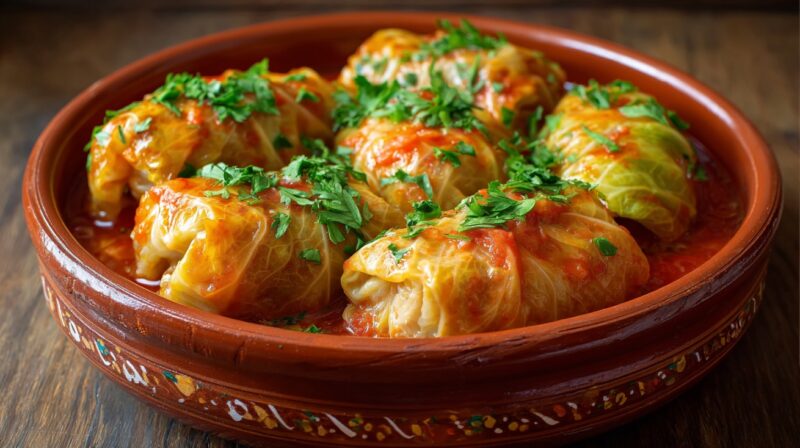
Unveiling the Heart of Romanian Cuisine: Authentic Sarmale Cabbage Rolls
Few dishes evoke the warmth of home, family gatherings, and festive celebrations quite like **sarmale Romanian cabbage rolls**. More than just a meal, sarmale is a culinary emblem, deeply woven into the fabric of Romanian culture. These savory parcels of seasoned ground meat and rice, lovingly wrapped in tangy sauerkraut leaves and slow-cooked to tender perfection, represent generations of tradition and a shared human experience of comfort through food. If you've ever dreamt of recreating this iconic dish, you're in the right place. Join us as we demystify the art of making authentic sarmale, from understanding its unique characteristics to mastering the rolling technique.What Makes Romanian Sarmale Truly Unique?
While various forms of cabbage rolls exist across the globe, Romanian sarmale holds a distinctive identity. The very name, "sarma," is a nod to its origins, borrowed from the Turkish word "sarmak," meaning "to wrap." Yet, the Romanian interpretation stands out primarily due to its signature ingredients and preparation. The defining characteristic of true Romanian sarmale is the use of sauerkraut (sour cabbage), rather than fresh cabbage. This fermented cabbage imparts a unique tanginess and depth of flavor that is simply irreplaceable. Complementing this is a rich, savory filling typically comprised of a generous blend of ground pork, often combined with a touch of smoked pork for an unparalleled smoky aroma and taste. Rice, finely chopped onions, and a distinct mix of herbs and spices round out the filling, creating a harmonious balance of textures and flavors. Regional variations certainly exist; in some parts of Romania, you might find larger rolls akin to those in Hungary or Germany, while in the southeast, they tend to be smaller, mirroring their Turkish and Egyptian counterparts. Some families may even mix a bit of ground beef with the pork, or adjust the spices. However, the core "formula" of sauerkraut, ground pork (and often smoked pork), and a slow simmer in a tomato-based sauce remains a near-universal truth across Romania. These delightful rolls are more than just food; they are a symbol of hospitality, often gracing tables at holidays, weddings, and cherished Sunday family meals.A Culinary Journey: The Global Legacy of Cabbage Rolls
The story of sarmale is a fascinating journey through history and geography, echoing the universal human desire to create delicious and comforting food from available ingredients. The concept of wrapping a savory filling in a pliable leaf is, in many ways, an obvious culinary evolution. As food historian Priscilla Mary Işın notes, recipes for stuffed cabbage (dulma-ye kalam) were documented in Persian cookbooks as early as the 1500s, described as being cooked by "the people of Rum" (the Ottomans). This lineage firmly places the origins of these delightful parcels within the expansive Ottoman Empire. From these ancient roots, the tradition of stuffed vegetables, including cabbage rolls, radiated outwards. Today, these beloved parcels are enjoyed in at least 30 countries worldwide, with a particularly strong presence in the Middle East, the Balkans, and Central and Eastern Europe. However, their reach extends even further, finding a place on tables in regions as diverse as China, South America, and Quebec. This global spread beautifully illustrates how culinary traditions can both connect and distinguish cultures. It's a testament to our shared human ingenuity – recognizing a large, flexible cabbage leaf as the perfect vessel for a hearty mixture of rice and meat. To explore this rich heritage further, delve into The Global Journey and Rich History of Sarmale.Essential Ingredients for Authentic Sarmale
Crafting authentic **sarmale Romanian cabbage rolls** begins with sourcing the right ingredients. Each component plays a crucial role in achieving that coveted traditional flavor: * Sour Cabbage Heads (Sauerkraut): This is non-negotiable. You'll need whole pickled cabbage heads, not shredded sauerkraut. Look for them in ethnic food stores or sometimes in the refrigerated section of larger supermarkets. The leaves should be large and pliable enough to wrap. * Ground Pork: The star of the filling. A medium-fat ground pork works best, providing moisture and flavor. Some recipes, and families, opt to mix in a small amount of ground beef for added richness. * Smoked Pork: Crucial for that signature depth. This can be smoked bacon (slab bacon, not thin strips), smoked ribs, or smoked pork hock. These pieces are layered within the pot to infuse every roll with their delicious essence. * Rice: Short to medium-grain rice is ideal, as it absorbs flavors and helps bind the filling without becoming too mushy. Do not use sticky or quick-cooking rice. * Onions: Finely diced and sautéed until translucent, they form the aromatic base of the filling. * Herbs & Spices: * Dried Dill: A classic Romanian herb for sarmale. * Dried Thyme: Adds an earthy, savory note. * Sweet Paprika: For color and a mild, sweet pepper flavor. * Salt and Black Pepper: To taste, generously seasoned. * Bay Leaves: Added to the simmering liquid for an aromatic finish. * Tomato Paste/Sauce: Used in the filling and as part of the simmering liquid, providing a tangy, rich base. Some use pureed tomatoes or passata. * Oil: For sautéing the onions. * Water or Broth: To simmer the sarmale. * Optional for Serving: Sour cream (smântână), creamy polenta (mămăligă), and crusty bread. For a deeper dive into the specific ingredients that define this beloved dish, check out Discover Romanian Sarmale: Sauerkraut, Pork & Tradition.Crafting Your Sarmale: A Step-by-Step Guide
Making sarmale is a labor of love, but the process is more rewarding than difficult. Patience and attention to detail are key.1. Prepare the Cabbage Leaves
Carefully separate the leaves from the sour cabbage head. Trim any thick veins from the center of each leaf to make them more pliable for rolling. If the cabbage is excessively salty, you can rinse the leaves under cold water and let them soak for a few minutes, then pat dry.
2. Prepare the Filling
- Finely dice the onions and sauté them in a little oil until soft and translucent, about 5-7 minutes. Let them cool slightly.
- In a large bowl, combine the ground pork (and beef, if using), washed rice (rinsed until water runs clear), sautéed onions, dried dill, dried thyme, paprika, salt, and black pepper. Add a tablespoon or two of tomato paste.
- Using your hands, thoroughly mix all ingredients until well combined. The mixture should feel cohesive. Taste a tiny bit (raw meat, so only for seasoning) and adjust spices if necessary.
3. The Art of Rolling
This is where your sarmale takes shape. Place a prepared cabbage leaf with the trimmed vein side facing up on a clean surface. Place a spoonful of the meat mixture (about 1-2 tablespoons, depending on leaf size and desired roll size – remember the regional variations!) near the base of the leaf. Fold the bottom edge of the leaf over the filling, then fold in the sides, and finally, roll it up tightly but gently to form a compact parcel. Repeat until all the filling is used.
Tip: Don't overfill the leaves, as the rice will expand during cooking. Also, ensure your rolls are tight enough to hold their shape but not so tight that they burst.
4. Layering and Simmering
- Choose a large, heavy-bottomed pot or Dutch oven. Line the bottom with any leftover shredded sour cabbage leaves or a few untrimmed leaves. This prevents the sarmale from sticking and adds flavor.
- Arrange some of your smoked pork pieces (bacon, ribs) on top of the cabbage layer.
- Carefully place the rolled sarmale in the pot, arranging them snugly in concentric circles or rows. You may need to create multiple layers. In between layers, add more smoked pork and a few bay leaves.
- Once all the sarmale are in the pot, cover them with any remaining shredded sour cabbage.
- In a separate bowl, mix the remaining tomato paste with water or broth until well combined. Pour this liquid over the sarmale until they are fully submerged.
- Bring the pot to a boil on the stovetop, then immediately reduce the heat to low. Cover tightly and simmer gently for at least 3-4 hours, or even longer (5-6 hours) for maximum tenderness and flavor development. The longer they simmer, the more the flavors meld and the meat becomes incredibly tender.
