The Global Journey and Rich History of Sarmale
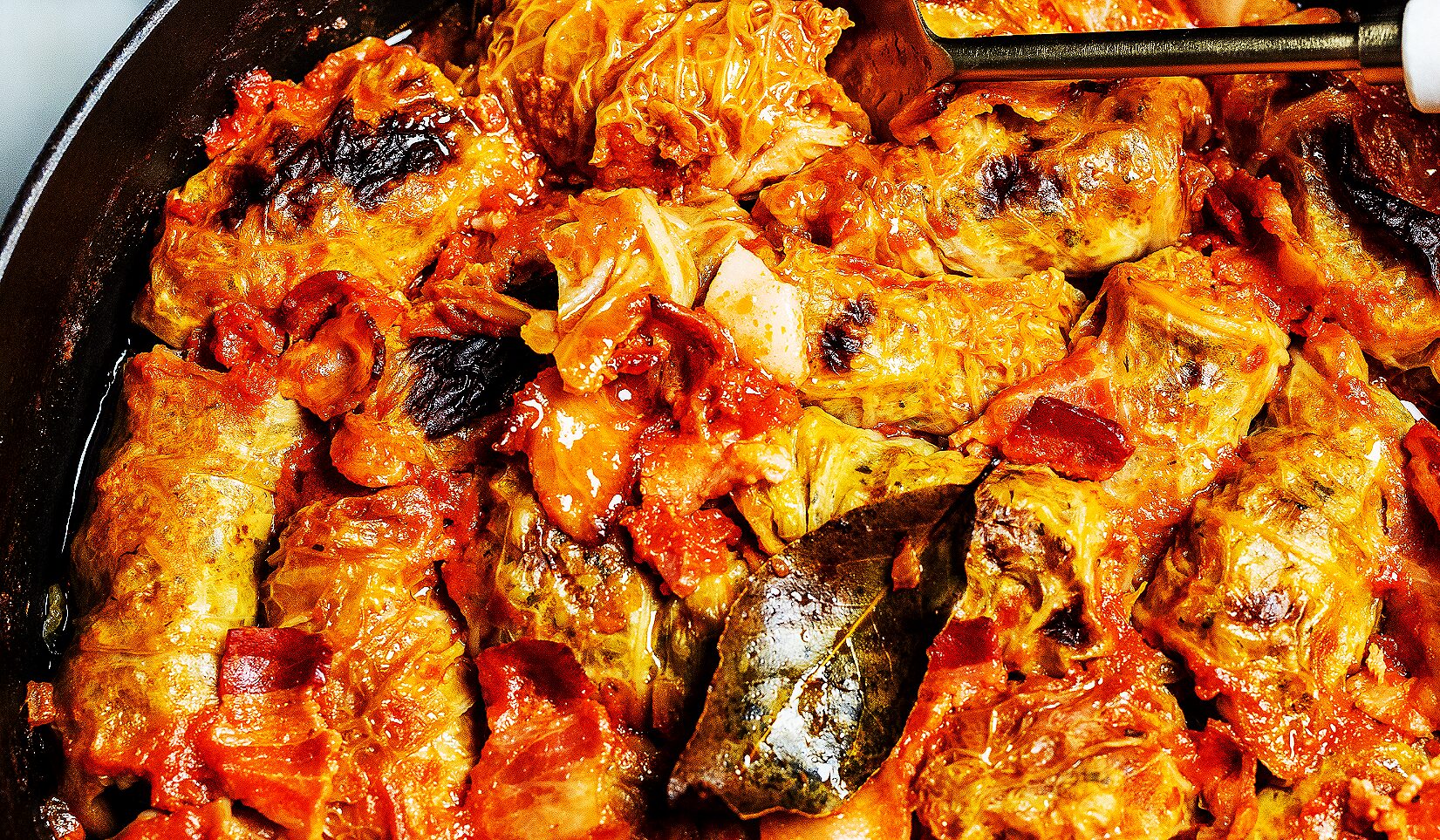
Few dishes encapsulate a nation's culinary soul quite like sarmale Romanian cabbage rolls. More than just a meal, sarmale is a symbol of tradition, celebration, and the comforting embrace of home. While deeply ingrained in Romanian culture, the story of sarmale is a fascinating global journey, echoing tales of ancient empires, shared human ingenuity, and the universal pleasure of a well-crafted, savory dish. This beloved staple, with its tender cabbage leaves lovingly wrapped around a rich filling of minced meat and rice, offers a delicious insight into how culinary traditions evolve and connect us across continents.
From Ottoman Roots to European Staple: The Etymological Origins of Sarmale
The very name sarmale whispers its ancient lineage. The Romanian word "sarma" is directly borrowed from the Turkish "sarmak," which elegantly translates to "to wrap." This etymological clue points to the undisputed origin of many stuffed vegetable dishes, including cabbage rolls, within the vast culinary landscape of the Ottoman Empire.
Food historians widely agree that the concept of wrapping a savory filling in leaves or vegetables was a prominent feature of Ottoman cuisine as early as the 16th century. Evidence comes from fascinating historical records, such as a Persian cookbook from the early 1500s. This text describes a recipe for "dulma-ye kalam" (stuffed cabbage) which the author noted was "cooked by the people of Rum (the Ottomans)" and "not well known" in Iran at the time. This suggests that the Ottomans were already masters of this culinary art form, which subsequently spread throughout their vast dominion.
As the Ottoman Empire expanded its influence, so too did its culinary traditions. The ingenious method of preserving and enhancing ingredients by wrapping them became a beloved practice across the Middle East, the Balkans, and Central and Eastern Europe. Sarmale, therefore, is not just a Romanian dish; it's a culinary descendant of a grand imperial tradition, meticulously adapted and cherished by countless cultures over centuries.
A Universal Culinary Language: The Global Spread of Cabbage Rolls
While their specific genesis might lie in the Ottoman kitchens, the widespread appeal of cabbage rolls speaks to a fundamental human truth: the simple genius of stuffing. Imagine a hungry human seeing a large, pliable cabbage leaf and instinctively realizing its potential to envelop a mixture of grains and meat. It's an obvious, almost inevitable culinary development, transcending geographical and cultural boundaries.
Indeed, cabbage rolls, or variations thereof, are enjoyed in at least 30 countries worldwide. Their highest prevalence is predictably found in regions historically linked to the Ottoman Empire, such as the Middle East, the Balkans, and Central and Eastern Europe. However, their reach extends far beyond, with delightful renditions appearing in places as diverse as China, South America, and even Quebec.
This global phenomenon highlights a beautiful universal message of shared human experience. Despite our differences, our basic needs and culinary creativity often lead us to similar solutions. Whether it's the rich, hearty flavors of Central Europe or the lighter, aromatic profiles of other regions, the stuffed cabbage roll is a testament to the commonalities that bind humanity through food.
Beyond Cabbage: The World of Stuffed Vegetables
The concept of sarmale is part of an even broader culinary category: stuffed vegetables. From bell peppers brimming with rice and meat to tender stuffed grape leaves (often called dolma, another Turkish-derived term) and even leeks, the practice of encasing a flavorful filling within a vegetable shell is a global art form. This versatility is what makes dishes like sarmale Romanian cabbage rolls so universally relatable and endlessly adaptable.
What Makes Sarmale Uniquely Romanian?
While the family of cabbage rolls is vast, Discover Romanian Sarmale: Sauerkraut, Pork & Tradition truly distinguishes itself with several key characteristics that reflect Romania's unique culinary heritage.
- The Unmistakable Tang of Sauerkraut: Perhaps the most defining feature of Romanian sarmale is the use of sauerkraut, or sour cabbage, rather than fresh cabbage. This gives the dish its characteristic tangy flavor and incredibly tender texture after slow cooking. It's a non-negotiable for most traditional recipes, infusing the entire dish with a depth that fresh cabbage simply can't replicate.
- The Heartiness of Pork: Ground pork is the star of the sarmale filling, often enhanced with smoked pork (like bacon or smoked ribs) for an added layer of rich, smoky flavor. While ground beef can sometimes be mixed in, pork remains the dominant and preferred choice, reflecting Romania's strong tradition of pork consumption.
- Rice, Herbs, and Spices: Along with the meat, rice is a crucial component, absorbing the cooking liquids and contributing to the rolls' tender interior. Aromatic herbs and spices, which can vary slightly by region or family, typically include dill, thyme, bay leaves, and paprika, adding warmth and complexity.
- Slow Simmered Perfection: Sarmale Romanian cabbage rolls are traditionally slow-cooked for hours, often in a rich tomato-based sauce, sometimes with a layer of sauerkraut at the bottom of the pot. This extended cooking time allows the flavors to meld beautifully, rendering the cabbage incredibly tender and the filling succulent.
- Cultural Significance: Sarmale is more than just food; it's a celebration. It's a dish reserved for major holidays like Christmas and Easter, weddings, baptisms, and cherished Sunday family meals. Serving sarmale is an act of hospitality, signaling warmth and abundance.
- Serving Traditions: The perfect accompaniment to sarmale includes a dollop of cooling sour cream (smântână), a side of creamy polenta (mămăligă), and crusty bread to soak up the delicious sauce.
Regional Variations Within Romania
Even within Romania, there are fascinating regional differences. The country's culinary traditions are often influenced by its geographical position, creating an East/West divide:
- Northwest (Transylvania, Banat): Influenced by neighboring Hungarian, German, and Ukrainian cuisines, sarmale here tend to be larger, sometimes the size of a small potato.
- Southeast (Moldova, Wallachia): Closer to Turkish and Egyptian culinary styles, sarmale in these regions are typically much smaller, about the width of a sausage, offering a more delicate bite.
Despite these variations, the core elements of sauerkraut, pork, and slow cooking remain consistent across the country, solidifying sarmale's place as a national treasure. For an authentic recipe, check out our guide on How to Make Authentic Romanian Sarmale Cabbage Rolls. And to dive deeper into the core elements, read Discover Romanian Sarmale: Sauerkraut, Pork & Tradition.
The Art of Crafting Perfect Sarmale: Tips and Tricks
Making sarmale is a labor of love, a culinary ritual that rewards patience and attention to detail. Here are some tips to help you achieve the perfect sarmale Romanian cabbage rolls:
- Source the Right Cabbage: Look for whole, pickled cabbage heads, not shredded sauerkraut. The leaves need to be pliable and intact for wrapping. You might find them in brine at Eastern European grocery stores. If too salty, rinse them well.
- Balance the Filling: The ratio of meat to rice is key. Too much rice can make the rolls dense; too little, and they might fall apart. A common ratio is about 1 part rice to 3-4 parts meat. Don't precook the rice, it will cook in the rolls.
- Flavor Boosters: Don't skimp on the smoked pork. Laying strips of smoked bacon or smoked ribs at the bottom of the pot and between layers of sarmale adds an incredible depth of flavor that is irreplaceable.
- Master the Roll: The goal is a tight but not overly compressed roll. Ensure the filling is secure to prevent it from escaping during cooking. There are various techniques, but the principle is to fold the sides in and then roll from the stem end.
- Layering for Success: Arrange the sarmale snugly in a large pot, often layered with more sauerkraut, smoked meat, and sometimes a few bay leaves. This creates a flavorful environment for them to simmer in.
- Low and Slow is the Way: Cooking sarmale takes time. Simmer them gently on low heat for at least 3-4 hours, or even longer (up to 6-8 hours), until the cabbage is incredibly tender and the flavors are fully developed. This is not a dish to rush!
- Rest and Reheat: Like many stews, sarmale often taste even better the next day, after the flavors have had more time to meld. They reheat beautifully.
Conclusion
The journey of sarmale Romanian cabbage rolls is a testament to the enduring power of food as a cultural ambassador. From its ancient origins in the Ottoman Empire, spreading across continents and adapting to myriad local tastes, sarmale has found a cherished home in the heart of Romania. It embodies a blend of history, tradition, and the comforting simplicity of good food, bringing families together and celebrating heritage with every savory bite. More than just a dish, sarmale is a delicious narrative, a symbol of shared humanity wrapped in a cabbage leaf, inviting everyone to taste a piece of its rich, global story.
